Genetics & Program
Data-driven breeding for cattle that work on the ranch and on the plate
Work on the Ranch and the Plate
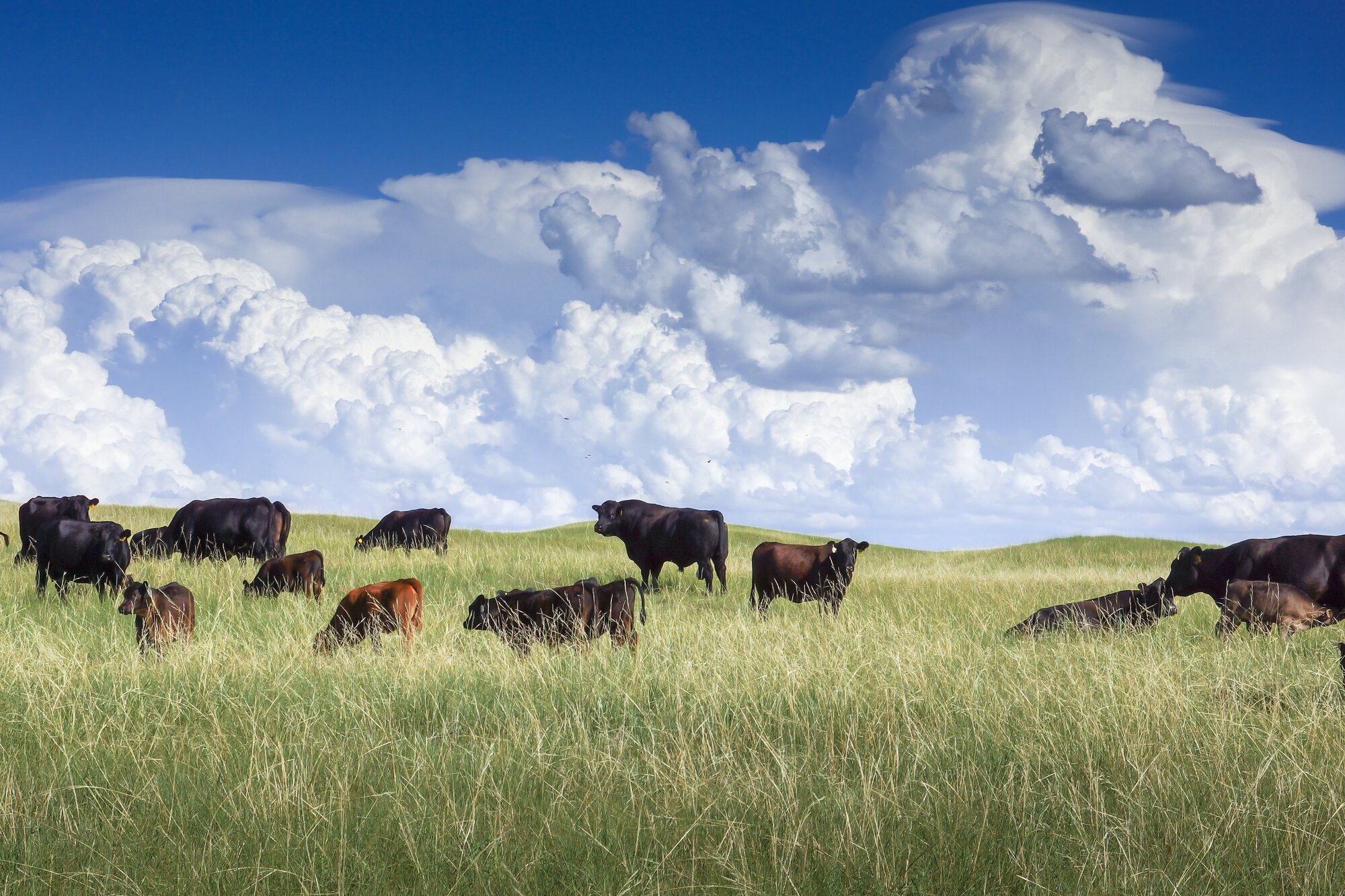
The JHL is first, and foremost a commercial cattle enterprise. From 30-plus years of tracking individual cows' herd performance and their progeny to the rail, we know that for us and our industry to be successful we must provide a quality product that works on the ranch and on the plate.
We are a cow-driven operation. This means that we recognize the cow is queen of the ranch and must work (on her own without human intervention) and produce efficient replacement heifers and calves that can efficiently convert forage to Prime-quality beef.
Our Breeds
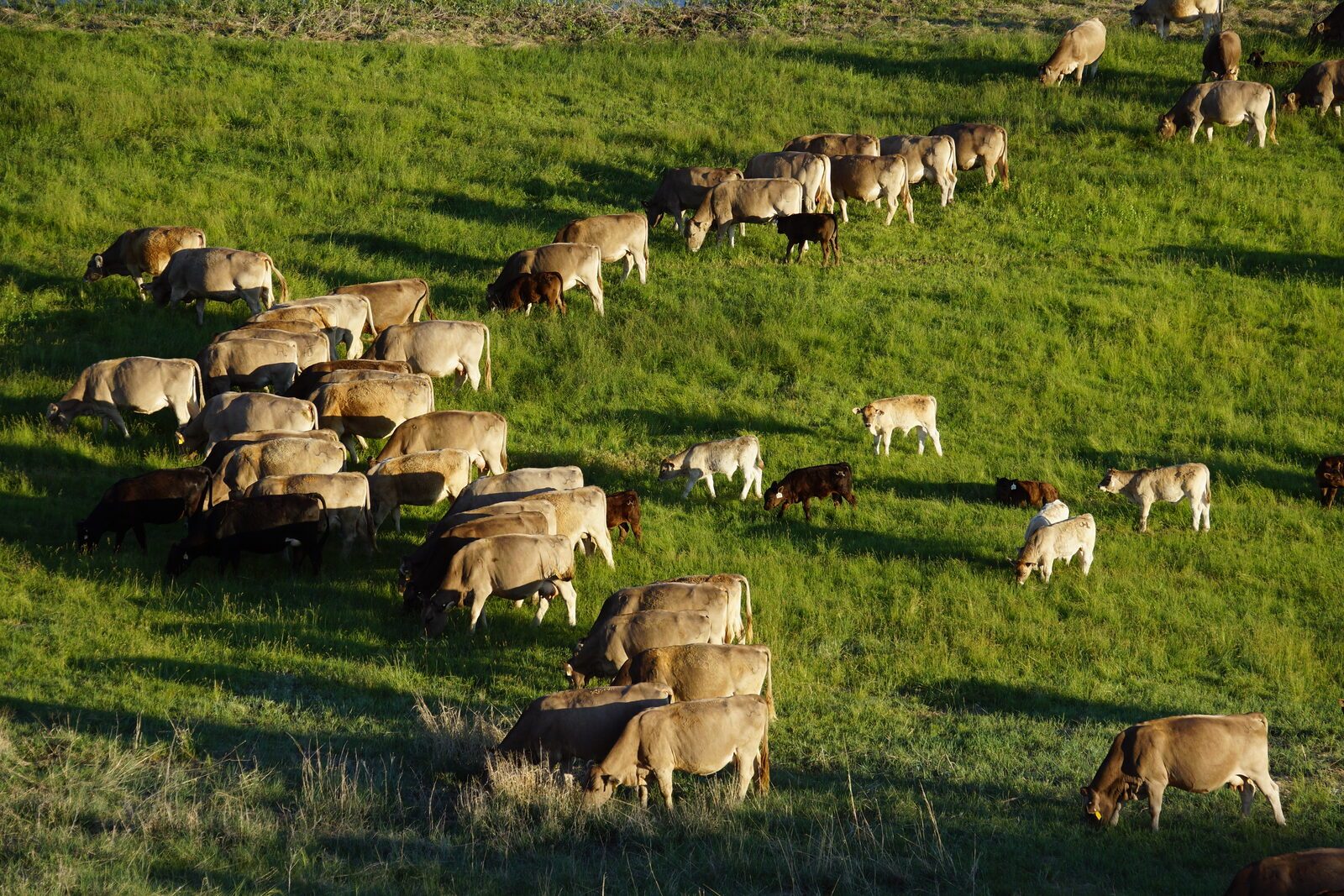
Braunvieh
Possibly the oldest pure breed in the world — developed over centuries in the Swiss Alps
- Muscling Ability
- Extreme Adaptability
- Correct Structure
- High Libido and Longevity
- High Marbling Ability
- Excellent Udders & Volume
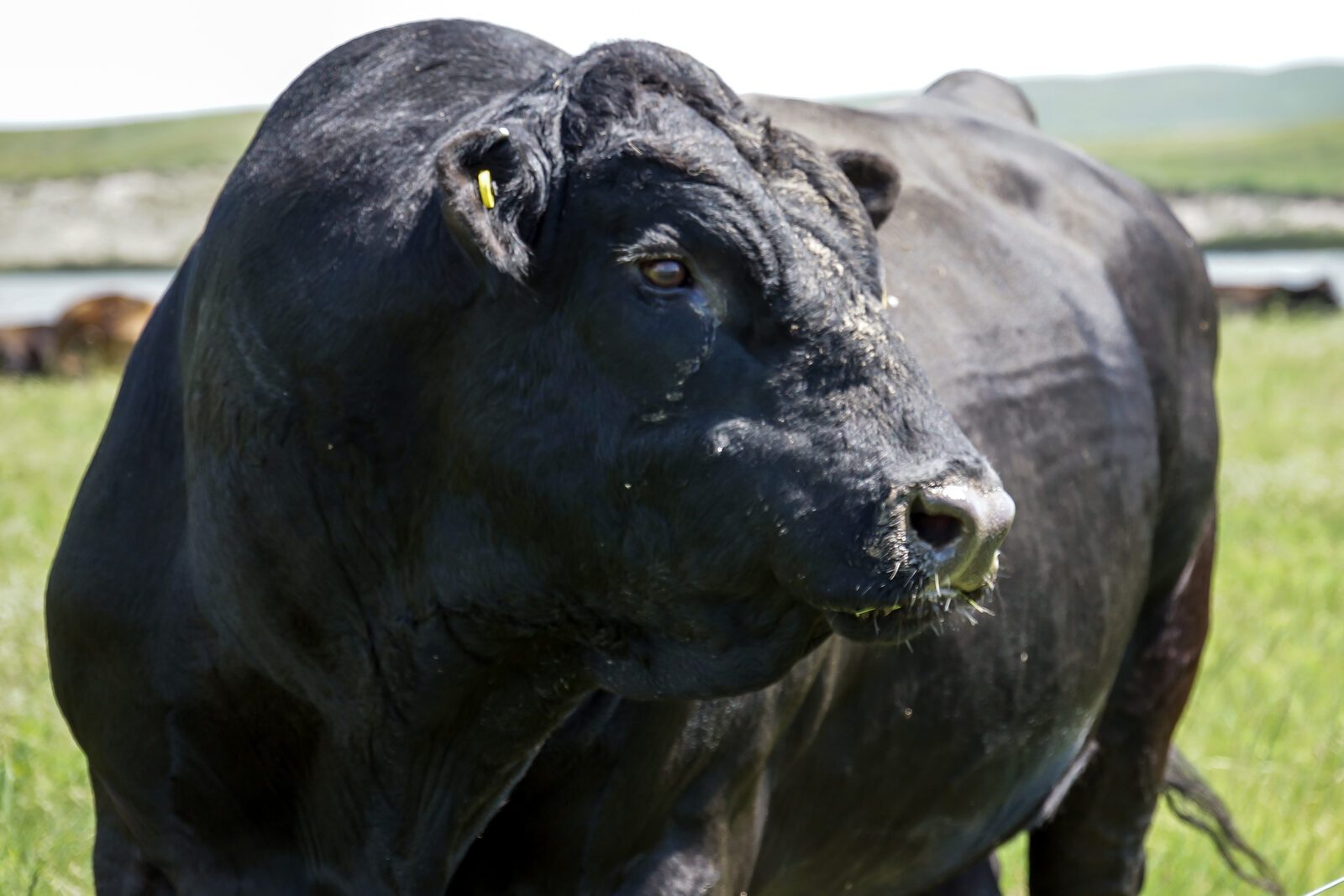
Angus
English (a pure breed)
- Broad Genetic Selection
- High Fertility
- Mothering Ability
- Energetic Calves
- High Marbling Ability
- Commercial Marketability
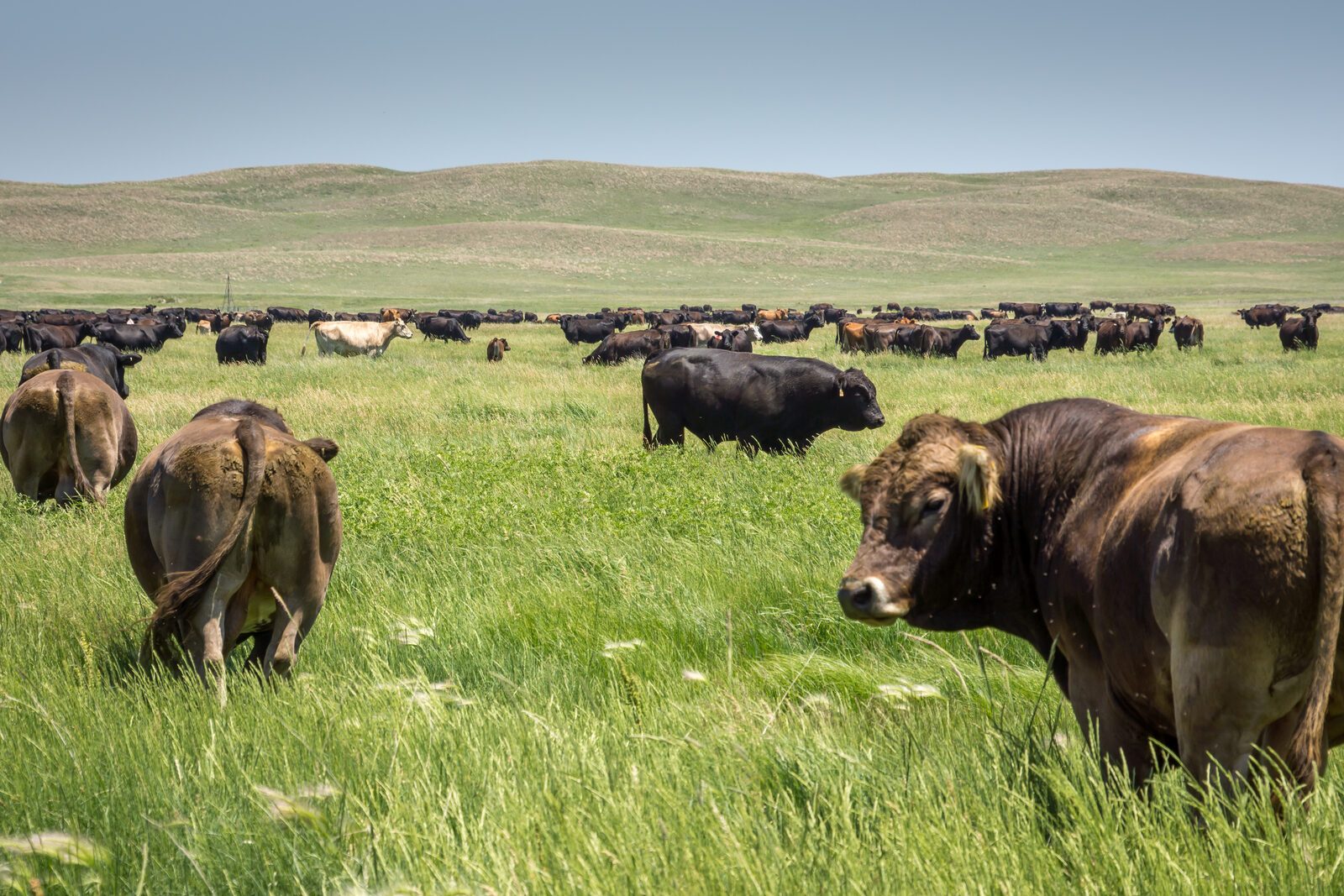
The Crossbreds
Combining the best of both breeds through heterosis
In carcass traits (marbling, rib-eye size, and yield grade) the Braunvieh-sired have consistently out-performed Angus-sired by 5%.
Why Braunvieh?
The American breed most in the hunt for Prime-quality beef is Angus. In 1978, an Ohio Angus rancher named Harold Etling had a disappointing steak—and that frustration led to the Certified Angus Beef program, the first USDA-certified beef brand. It took decades to gain traction, but by the 2010s CAB had become the standard the entire cattle industry rallied around.
Meanwhile, the industry spent the 1960s and 70s "fighting a war against fat," chasing growth with Continental breeds while taste suffered. But taste and succulence are directly attributable to marbling—and that's where we've added fuel to the fire by introducing Braunvieh to the mix.
Braunvieh in America
Braunvieh is possibly the oldest pure breed of cattle in the world, developed over centuries in the harsh extremes of the Swiss Alps. They didn't arrive in Nebraska until 1983, when Harlan Doeschot traveled to Switzerland and brought back the first Braunvieh genetics to the state.
In 2009, we acquired his purebred herd from Golden Link—genetics he'd spent 26 years refining. That foundation herd is now central to our breeding program.
What Braunvieh/Angus Crosses Bring
The result? Cattle that work harder for us and taste better on the plate.
"I can't see that they have hurt us at all anywhere... It's always harder to show positives, but to me, one of the biggest benefits you can really see is that the Braunvieh haven't hurt us."
Know Thy Cow
We believe the cow is the cornerstone of beef production. The major cost in the industry is developing and maintaining a cow, and choices made in cow selection influence a herd's personality, profitability, and product for years. Most commercial operations don't track individual cows—we do.
We've used artificial insemination on replacement heifers since the early 1990s. By 1999, we'd seen enough quality in those AI-sired calves that we expanded the program to mature cows. Today, nearly the entire herd is individually mated based on each cow's track record—her performance as a mother, the performance of her calves in the feedlot, and their carcass data at harvest.
Peter Drucker said, "If you can't measure it, you can't manage it." We've brought that mindset from the corporate world to the ranch. Every cow has a history. Every mating decision is backed by data. Every calf's performance feeds back into future decisions.
What We Track
Our Tools & Approach
DNA Testing
Blood samples collected on all calves at processing for parentage verification and trait tracking.
Ultrasound
Bulls and replacement heifers measured for ribeye, marbling, and backfat. Calves scanned for optimal endpoint.
Linear Measurements
Physical measurements that help identify structural correctness and functional traits.
Carcass Data
Every animal tracked to harvest with feedback on quality grade, yield grade, and ribeye area.
The Result
"Art and Merry have tested their cattle and built a tremendous herd based on the data they have gathered."